
How to Stop Your Shoes From Smelling
Do you have smelly walking shoes and sandals? Shoe odor comes from bacteria and fungi that grow happily in warm and damp conditions. Sweaty shoes are

Also Known As: Hamstring curl, lying leg curl
Targets: Hamstrings, calf muscles, glutes, quads, and shins
Equipment: Leg curl machine (some variations don't require any equipment)
Level: Beginner
Lying leg curls (also known in the short form, leg curls) is an isolation exercise that targets the back of the leg: the hamstrings and calf muscles. It can be performed in a variety of positions and makes an excellent addition to almost any lower-body strength training workout. When done correctly, leg curls can help improve your balance, stamina, overall strength, and athletic prowess. And when you learn what common mistakes, like using the wrong weights, to avoid during this exercise, you can reap the many benefits of this classic workout twofold.
Verywell / Ben Goldstein
Lie face down on the lying leg curls machine, stretching your legs out fully. The roller pad should rest just above the heels, a few inches over your calves. Grasp the support handles on each side of the machine.
You can use your toes to help target your hamstrings or calves throughout the movement. Dorsiflexing the toes (curling them toward the shin) engages the hamstrings, while pointing your toes (plantar flexion) isolates the calf muscles.
Adding leg curls to your workout regime yields quite a few benefits. Since leg curls primarily target the hamstrings (biceps femoris, semitendinosus, and semimembranosus) and calf muscles (gastrocnemius and soleus muscles), you can expect to see results in these areas first. Strong, flexible hamstrings are essential for overall strength, balance, and stamina. Research has also connected hamstring strength with better sports performance, particularly sprint-based training and movements.
However, strong hamstrings aren't just beneficial in the gym. When lowering your feet back down during a leg curl, your buttocks (gluteus muscles), thighs (quadriceps), and the front of the shins (tibialis anterior) are activated, too. Conditioning these specific muscles helps to avoid injury in day-to-day activities involving your lower body use. This includes playing with kids, completing household chores, yard work, and more.
Plus, improving strength and flexibility in this muscle group, as well as these target areas, will help as your body ages—especially if you are prone to knee problems or have joint or back pain.
You can perform leg curls in a variety of ways to better meet your skill level and fitness goals.
Beginners may want to start out doing leg curls while standing until they have perfected their form and increased their workout endurance. Standing leg curls do not use weights and, therefore, require less hamstring strength - making it easier to complete sets, practice proper form, and avoid soreness or injury.
To do standing leg curls:
Once you feel comfortable doing this leg curl variation, incorporate a resistance band to your standing leg curl workout.
The added resistance here is one way to build strength in the hamstrings and calves, specifically if you don't have access to gym equipment. To complete this variation, place the band just above the ankles and lift your foot against the resistance.

Ben Goldstein / Verywell
You may prefer the seated leg curl variation instead if being in the prone position is uncomfortable or causes pain in your lower back or neck. Besides avoiding unnecessary discomfort or pain from standing, the machine used for this particular variation prevents you from lifting your legs as you curl, reducing the likelihood of injury to these same areas.
When doing seated leg curls, make sure the thigh pad rests just above the knees and that the lower leg pad is directly below the calf. While grasping the machine's handles, push down on the lower leg pad, pulling it as close to your butt as you can. Hold for up to five seconds, then return to the starting position.
Keeping the body stationary and only moving one lower leg at a time is what sets the Nordic hamstring curl apart from the traditional leg curl and its other variations. Since research connects Nordic curls with the reduced risk of a hamstring injury, this technique is highly recommended for anyone prone to such issues while exercising or for a person recovering from such an injury.
This variation involves kneeling on the floor, placing the ankles under an immovable object (or having someone hold them), and then leaning forward at the knee. As a result, you must control your body's forward lean. That said, it is worth noting that this leg curl technique requires more core muscle strength than you typically need when doing the other variations.
Counter leg curls with leg extensions to strengthen your body in a balanced way.
Avoid these mistakes when doing leg curls to keep this exercise safe and effective.
If the padded lever is too high on your calves, this can place pressure on your Achilles tendon and reduce your range of motion. The first time you try leg curls, you may want to have a trainer or fitness instructor show you the correct position and help you adjust the roller pad if needed.
To properly execute a leg curl, always start with a lighter weight. You don't want to force your body to overcompensate by lifting the hips and flexing your lower back. This fails to isolate the calves and hamstrings and can cause injury to your back.
Select a weight that allows you to do 8 to 12 repetitions with reasonable effort and good form.
If you want to build muscle mass, gradually increase the amount of weight as you get stronger. However, keep in mind that if your goal is to increase power and performance, you don't want to overload the weights.
Bodybuilders use hamstring curls to increase muscle mass. However, fitness pros and athletes who play certain sports don't always favor this leg curl variation as it can cause the foreshortening (or tightening) of the hamstrings.
Repeated contraction and muscle growth can impair hamstring flexibility if you overtrain and fail to stretch correctly. So, to keep your hamstrings limber, always do stretches after your workout.
On the other hand, some people may want to avoid leg curls entirely because this exercise could exacerbate an existing problem, slow healing, or put you at risk for increased pain. This includes people who:
As always, talking with your doctor before starting a weight training program is best. If you work with a physical therapist or trainer, check with them for guidance on using the leg curl machine. Whenever you feel ready to increase resistance or add on more weight, you should also clear these changes in your workout plan with your trainer or therapist. As you continue perfecting your leg curls, remember to aim to complete three sets of 8 to 12 reps.
Leg curls are an exercise best done with more reps and less weight. So, aim for the 10 to 20 range, or even up to 30 reps. Adjust the weight accordingly. Using heavy weight and few reps is hard on the knee joints and since this is an isolation exercise, uses fewer muscles as assistance.
Leg curls shouldn't hurt your knees, and don't tend to unless you are performing them incorrectly or have existing knee pain or injuries. If you experience pain with leg curls, discontinue and see your doctor.
You can do leg curls without a machine. Try using resistance bands anchored to a sturdy point with the handles on your feet, or clip on special ankle cuffs for this purpose.
Lying leg curls primarily work your hamstrings but can also work your glutes. They can help strengthen the muscles that connect your glutes and hamstrings that people often refer to as the glute-ham tie-in.
Incorporate this move and similar ones into one of these popular workouts:
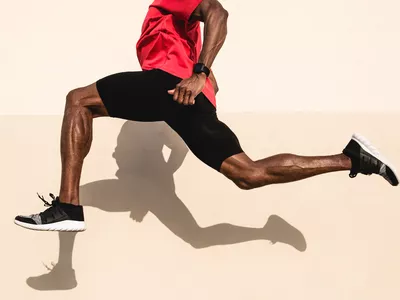
Do you have smelly walking shoes and sandals? Shoe odor comes from bacteria and fungi that grow happily in warm and damp conditions. Sweaty shoes are

Whether you're experiencing foot pain, seeking enhanced performance, or prioritizing comfort, custom orthotics could be the game-changer you've been s
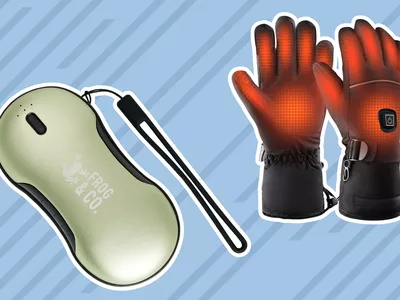
For those who love exercising outdoors year-round, hand warmers can help keep you focused and comfortable on walks or runs when your fingers feel like

Your resting heart rate (RHR) gives you a glimpse into your health, especially when embarking on a new fitness regime. Regularly checking your resting

Insoles can also help reduce foot pain and promote proper foot alignment—helping you hike comfortably for longer. When selecting the best insoles for
Whether you're experiencing foot pain, seeking enhanced performance, or prioritizing comfort, custom orthotics could be the game-changer you've been s
We are an information hub dedicated to delivering clear, trustworthy, and engaging content across a wide spectrum of topics — from innovation and trends to daily life, wellness, and global developments.
Our team is passionate about creating content that helps people stay curious, make informed decisions, and understand the world with greater clarity and context.
With a focus on quality, relevance, and accessibility, we aim to offer a meaningful experience for everyone seeking knowledge, ideas, and thoughtful perspectives.