
The 9 Best Plantar Fasciitis and Heel Spur Relief Products in 2025
If your days begin and end with pain at the bottom of your heel, then it’s possible you’re struggling with persistent plantar fasciitis. Activities li

The calves are often ignored when it comes to weight training, but they’re an instrumental part of many activities—from walking and running to jumping and reaching. Add standing calf raises to your lower body workout to make all of these actions easier.
Working on your calf muscles enhances your physical performance and contributes to overall balance and stability. Strong calf muscles provide crucial support for the ankles and feet, reducing the risk of injuries during various activities.
Additionally, well-developed calves can improve aesthetics, creating a more sculpted and proportionate lower body appearance. Incorporating exercises like standing calf raises into your routine strengthens these muscles and helps maintain flexibility, ensuring you're equipped for a wide range of movements and exercises.
Targets: Calf muscles
Equipment Needed: Exercise or yoga mat (optional)
Level: Beginner
Verywell / Ben Goldstein
If you don't have a mat, you can perform standing calf raises on the floor. You can even try using a standing desk. Some trampolines have handlebars that can be useful for doing this exercise, as well.
Because they don't require weights or other equipment, standing calf raises are an easy exercise to perform at home, at the gym, and when traveling.
Standing calf raises activate the two muscles that run down the back of the lower leg: the gastrocnemius and soleus. These muscles are integral in ankle flexion and extension, propelling running and jumping.
The gastrocnemius also works in tandem with the hamstrings to control knee flexion, while the soleus maintains proper balance and pumps blood from your leg back up to your heart. When weak, the calf muscles strain and tear more easily.
Calf raises are an easy, low-impact method for strengthening the gastrocnemius and soleus. Strong, flexible calf muscles result in better stability and balance, decreased risk of foot and ankle injuries, and better agility when running and jumping.
Once strengthened, the fast-twitch muscle fibers of the gastrocnemius allow more rapid, explosive movement, making this a great exercise for amateurs and athletes alike. The ability to do calf raises can also indicate an older person's ability to engage in activities of daily living.
Strong calf muscles contribute to overall stability, reduce stress on the Achilles tendon, and give the lower leg a defined appearance.
You can perform this exercise in a few different ways to better meet your fitness level and goals.
Performing seated calf raises only works the soleus muscle (which sits underneath the gastrocnemius muscle). However, this is a good option for people who find it difficult to stay balanced when standing.
Ben Goldstein / Verywell
If you find it hard to keep your balance while doing standing calf raises, you can also perform this exercise while holding onto a chair back or the wall to help stabilize yourself. Follow the same steps for standing calf raises, but use one or both arms to hold the chair or wall.
Modifying the way you place your feet changes the muscles worked. Turn the toes inward slightly and you'll work the inner calf muscles more; turn them outward slightly and you place more tension on the outer calf muscles.
You can increase the range of motion of the calf raise by doing it on a step or stair. This allows your heels to drop down further during the eccentric portion of the exercise.
Verywell / Ben Goldstein
Use dumbbells, kettlebells, or even gallons of water to add weight to your raises. This can help you build strength in your calves as they work harder to lift the additional weight. Hold the weights at your side during this movement with your arms slack.
If you’re ready to take this calf raise variation to the next level, try increasing the weight or using a barbell instead.
Avoid these mistakes to keep your standing calf raises safe and effective.
Stretching is perhaps the most important component of calf exercises as it prevents exercise-related cramping and reduced flexibility. Spend five to 10 minutes stretching your calves before training to avoid these issues.
Control the tempo of the exercise to see the full benefits of standing calf raises. Performing the movement too quickly isn’t as effective–at least in the beginning. It’s best to raise and lower your heels slowly to see increased strength and aesthetic improvement.
Once you've mastered calf raises, you can perform them with more power and force to gain maximum benefits from this exercise.
To stay properly balanced while performing calf raises, keep your chest up and stand tall. Leaning too far forward redistributes your body weight (and the weight of your dumbbells, if you're using them), which can cause back pain and reduce the effectiveness of the exercise.
Because standing calf raises are an isolation exercise with a small range of motion, it’s better to perform a higher number of repetitions to maximize the move. The sweet spot on reps depends on the amount of weight you’re using (if any), but between 10 and 30 is a good place to start.
Calf raises are generally safe for all populations, but if you’ve recently had a lower-body injury, talk to your doctor or physical therapist before performing this exercise.
To prevent injury during the exercise, focus on moving slowly, keeping a soft bend in the knees, and pushing your shoulders back to prevent rounding in the spine. If you experience pain, stop the movement and consult your doctor.
For sedentary and lightly active people, calf muscles can be overactive (tight) due to a lack of flexibility training. To avoid exacerbating the issue, it’s important to stretch or foam roll both before and after training.
With proper stretching, standing calf raises can be a beneficial part of a regular strength training routine. Do this exercise 10 to 30 times, starting at the lower end of this range and working your way to the higher end as your calves become stronger.
Incorporate this move and similar ones into one of these popular workouts:

If your days begin and end with pain at the bottom of your heel, then it’s possible you’re struggling with persistent plantar fasciitis. Activities li

You don't need sweaty, intense workout sessions to gain the benefits of physical activity. In fact, basic exercises for beginners are better choices w
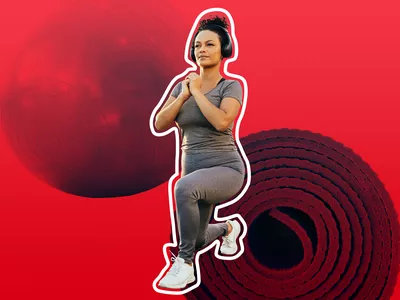
One of the easiest parts of starting an exercise program is deciding to do it. Usually, something inspires you to make a change: Maybe you tried on a

Targets: Pectoral muscles (chest) Equipment Needed: Chest press machine Level: Beginner The chest press helps build the pectoral muscles while also wo

Wearing a rash guard while you enjoy the outdoors can help keep you safe from the sun’s harmful ultraviolet (UV) rays. The best rash guards are comfor

Carrying your water bottle, change of clothes, and other essentials between your workout space and workplace can be a hassle. The best gym backpacks p
We are an information hub dedicated to delivering clear, trustworthy, and engaging content across a wide spectrum of topics — from innovation and trends to daily life, wellness, and global developments.
Our team is passionate about creating content that helps people stay curious, make informed decisions, and understand the world with greater clarity and context.
With a focus on quality, relevance, and accessibility, we aim to offer a meaningful experience for everyone seeking knowledge, ideas, and thoughtful perspectives.